Why I Buy Stocks at Their All-Time Highs

When it comes to , one of the most common pieces of advice you'll hear is to stay away from stocks with high Price-to-Earnings (P/E) ratios. But I’m going to tell you the first rule I follow when trading growth stocks: ignore the high P/E. If you let that single metric guide you, you’ll miss out on some of the biggest winners in the market.
Great, fast-growing companies almost always have high P/E ratios. Sometimes, they don’t even have earnings to speak of. Think about a company like Uber, which spent years losing money while aggressively capturing market share. Or Facebook, which focused on growing its user base for a long time before ever turning on its advertising machine. These companies looked expensive on paper for years, but their stock performance made early investors incredibly wealthy.
Traditional value investors would run from these scenarios. But if you followed that advice, you would have skipped the historic runs of Microsoft, Starbucks, Home Depot, and Amazon. They all traded at what seemed like crazy valuations for years. Amazon still does. These stocks are pricing in massive future growth, and if that growth materializes, the P/E ratio today becomes irrelevant. Of course, there's a catch: if that growth sputters, the market can be ruthless. That’s why you always need a clear exit plan, or a stop loss, when like these.
The Magic of an All-Time High
Here’s another part of my strategy that seems completely backward to most people: I actively look to buy growth stocks that are hitting new 52-week or even all-time highs. The common thinking is, “Isn’t that risky? If it’s at a peak, it has further to fall.”
But if you look back at the best-performing stocks in history, you'll see they spent a ton of time hitting new highs. It makes sense—for a stock to go up a lot, it has to constantly break new ground. There’s something special happening when a stock reaches an all-time high: every single person who owns it is making a profit.
Think about the opposite situation. When a stock has crashed, it’s full of investors who are just waiting for it to climb back to their purchase price so they can sell and break even. This creates constant selling pressure that can stifle any rally. But at a new high, all those underwater sellers are gone. You’re left with happy investors and one other group: the short-sellers.
These are traders betting the stock will fall, probably because of that “high P/E.” At a new peak, every one of them is losing money. To stop the bleeding, they have to buy back the stock to cover their position. This buying adds fuel to the fire, pushing the stock even higher and forcing more shorts to give up. This cycle, combined with the media buzz from outlets like CNBC, brings in a fresh wave of buyers, creating what I like to call “rocket stocks.”
How to Find and Trade These Stocks
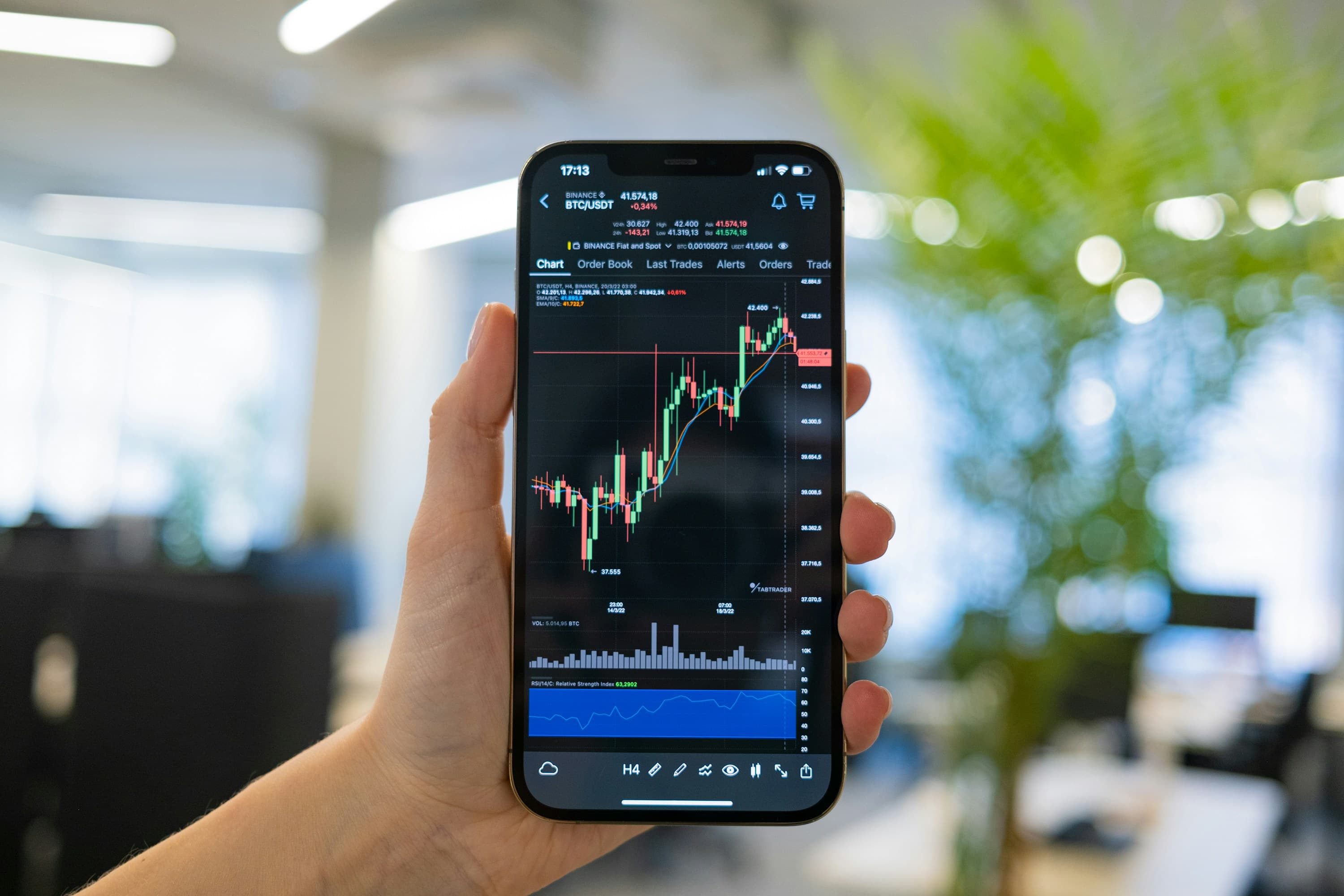
Finding potential candidates for this strategy is fairly straightforward. I regularly scan lists of stocks hitting 52-week highs. Once I have a list, I pull up the daily chart for each one. What I’m looking for is a clear uptrend, which I define with two simple rules:
- The stock price must be trading above its 50-day moving average.
- The 50-day moving average must be above the 200-day moving average.
If a stock meets these two criteria, it’s in a confirmed uptrend. I never, ever buy a growth stock that’s trading below its 200-day moving average or if the moving averages are crossed the other way. A growth stock in a downtrend is one of the most dangerous things in ; it can rise 300% over a few years and then lose 80-95% of its value. It’s happened to giants like Cisco and Amazon in the past.
Once a stock is on my radar, I look for an entry point. Sometimes, a stock will gap up to new highs after a fantastic earnings report. This can be a great time to buy, as institutional investors often take days or weeks to build their full positions, causing the stock to drift higher over time. Other times, I’ll wait for the stock to consolidate and trade sideways for a bit. Then, I’ll buy when it breaks out of that range on high volume.
Stacking the Odds in Your Favor
To further improve the chances of success, I look for a few other factors. This kind of works best when the overall market is also in an uptrend. If the major indexes like the S&P 500 (SPY) and Nasdaq 100 (QQQ) are also above their moving averages, it’s like having the wind at your back.
I also focus on a few key characteristics of the company itself:
- It takes a lot less capital to move a smaller stock than a massive one. Plus, many large funds can't invest in companies this small. If you get in early, you can benefit when the stock grows and attracts a whole new class of institutional buyers.
- The “float” is the number of shares available for public trading. When the float is less than 20% of the total shares, the stock can be very volatile. A small amount of buying pressure can cause a huge move higher.
- This tells you how many traders are betting against the stock. While short-sellers are often sharp, they aren’t always right. When a stock with over 10% of its float sold short starts hitting new highs, the resulting short squeeze can be explosive.
Knowing When to Sell
The hardest part of any trade is knowing when to get out. For profits, I have a few unconventional rules: sell when you’re so excited about a trade you can’t sleep, if a stock doubles in under two weeks, or when a taxi driver gives you a stock tip. More technically, I use the moving averages as a guide. Closing below the 50-day moving average is a signal to exit shorter-term trades, while a close below the 200-day is my line in the sand for longer holds.
More importantly, always manage your risk. I never risk more than 1% of my trading account on a single trade. If I have a $100,000 account, my maximum loss on any one position is $1,000. This forces me to calculate my position size based on my stop loss, not on a gut feeling. Protecting your capital is the key to longevity in . If you lose 50% of your account, you need a 100% return just to get back to where you started. Keep your losses small, especially when you’re still learning.