Are ETFs Derailing Your Investment Strategy?

Over the past decade or so, the classic principles of the traditional index fund (TIF) have been met with a challenger that looks a lot like an ally: the exchange-traded fund, or ETF. At its core, an ETF is an index fund specifically engineered for easy trading. If you’re , it's crucial to understand this distinction. The original index fund, created over 40 years ago, was built on a long-term investment philosophy. In contrast, using an index fund as a trading tool is, by definition, short-term speculation. This is a fundamental difference when it comes to .
The original idea was to achieve the widest possible diversification. Today, holding specific, narrowly focused market-sector ETFs offers significantly less diversification and, consequently, more risk. The promise of minimal cost also gets complicated by higher expense ratios on these specialized funds, brokerage commissions every time you trade, and the tax bill that comes with any successful trades.
To be perfectly clear, there’s nothing inherently wrong with in an ETF that tracks the entire stock market, like one following the S&P 500. The problem arises when you start trading it. While short-term speculation is almost always a loser’s game, long-term investment is a proven path to wealth. Broad-market index funds are perfectly designed for that path.
The crucial difference is that a TIF investor is practically guaranteed to get their fair share of the stock market's return. An ETF trader has no such guarantee. After navigating the challenges of fund selection, timing risks, extra costs, and added taxes, traders often have no idea how their returns will stack up against the market’s performance.
The Birth of the Trading Machine
The first U.S. exchange-traded fund was the Standard & Poor’s Depositary Receipt (SPDR), which debuted in 1993 and was quickly nicknamed the "Spider." It was a genuinely brilliant concept. It tracked the S&P 500, operated with low costs and high tax efficiency, and offered real-time pricing. Held for the long term, it could have been a fierce competitor to traditional S&P 500 index funds. However, the brokerage commissions made it a tough sell for people making small, regular investments.
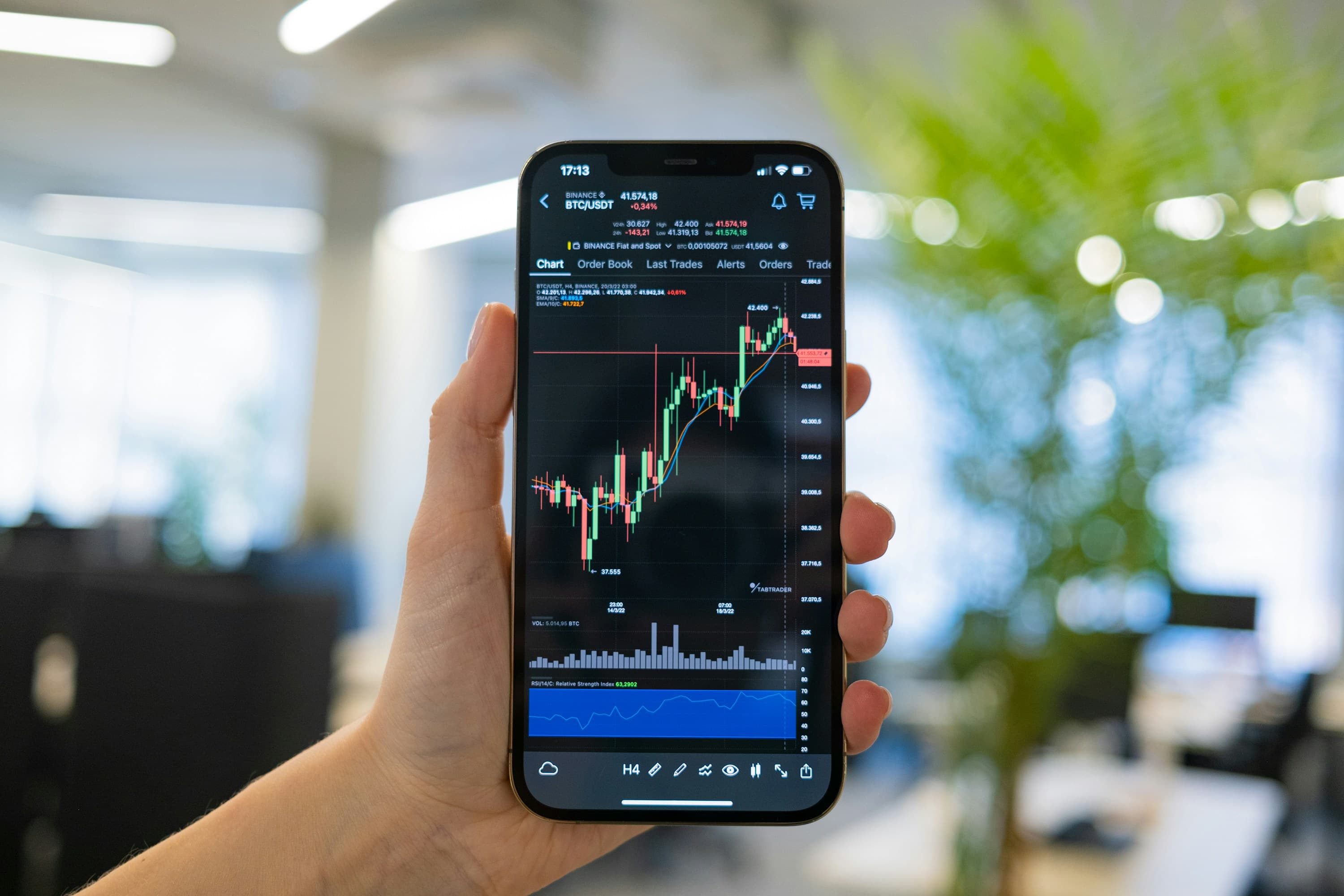
Today, the Spider 500 is still the largest ETF, with over $240 billion in assets as of early 2017. But look at how it’s used: in 2016 alone, 26 billion shares were traded, amounting to a staggering $5.5 trillion in volume. This translates to an annual turnover rate of 2,900%. The Spider is often the most heavily traded stock in the world on any given day, a clear sign that it's a tool for short-term players like banks, active managers, and professional traders, not long-term investors.
An Explosion in Complexity
From that single S&P 500 fund, the ETF market has exploded. As of 2017, ETFs made up half of all index fund assets—$2.5 trillion out of a $5 trillion total. Their trading can sometimes account for 40% or more of the entire U.S. stock market's daily volume. This amazing growth says a lot about Wall Street's knack for creating new products and investors' eagerness to believe they can beat the market with complex strategies.
This growth has also led to a stampede of diversity. There are now more than 2,000 ETFs, a huge jump from just 340 a decade ago. But their focus is radically different from traditional funds.
- Only 32% of ETF assets are in broadly diversified stock funds, compared to 62% for TIFs.
- A whopping 950 ETFs offer concentrated, speculative, inverse, and leveraged strategies, holding 23% of all ETF assets. Only 137 such TIFs exist, holding just 5% of TIF assets.
This trend toward complexity is a concerning departure from the simple, effective strategy of buying and holding the entire market, which is often the best advice on .
A Recipe for Bad Decisions
The data shows that investor behavior in ETFs is counterproductive. Between April 2007 and April 2009—a period that included a 50% market crash—TIFs never had a single month of net outflows. Investors stayed the course. In contrast, ETFs saw outflows in 10 of those 24 months. Investors poured $31 billion into ETFs near the market’s high in December 2007 and yanked $18 billion out in February 2009, right at the bottom.
This brings to mind an analogy: a finely crafted Purdey shotgun. It's an excellent tool for big-game hunting, but it's also an effective weapon for suicide. Broad-market ETFs, when bought and held, are fantastic tools for . But their design, which encourages you to "trade the S&P 500 all day long," tempts investors into financially self-destructive behavior.
There’s abundant evidence that people chase performance. The most popular sector funds are always the ones that have had spectacular recent returns. But that success rarely lasts. This after-the-fact popularity is a recipe for failure. A review of the 20 best-performing ETFs from 2003–2006 found that in 19 of them, the returns investors actually earned were far lower than the returns of the funds themselves—by an average of 5 percentage points per year.
The Investor's "Double Whammy"
When you choose to actively trade ETFs, you face a "double whammy." First, there's the near-certainty of counterproductive market timing as you bet on hot sectors and bail when they cool off. Second, the heavy commissions and fees pile up, eating away at your returns. These two enemies of the investor—emotions and expenses—are hazardous to your wealth. This is far from the stable approach needed to .
So, who really benefits from being able to trade all day long? Is less diversification really better? Are these vehicles truly low-cost once you factor in commissions and taxes? The answer seems clear: ETFs have been a dream come true for financial entrepreneurs and brokers. For the everyday person exploring , they can be a trap.
The original index fund was designed to harness the wisdom of long-term . Too often, ETFs encourage the folly of short-term speculation. While no one can promise that traditional indexing is the single best strategy ever created, we can be sure that the number of strategies that are worse is infinite.