What 41 Years of Gold Trading Actually Looks Like

Gold has played a central role in human history for as long as we can remember. For centuries, it was the go-to currency and a universal medium of exchange, thanks to its inherent value. It’s been a symbol of wealth and luxury in countless cultures, showing up in everything from art to jewelry. For about 150 years, it was also the backbone of global monetary policy under the "gold standard," a system the U.S. left behind in 1971. That period was notable for having minimal inflation because the amount of money a country could print was tied directly to its gold reserves, which kept the economy stable.
Even today, gold hasn’t lost its relevance. Governments hold gold reserves to back their currencies or settle trade imbalances. At the same time, individuals are still actively in gold, often as a hedge against inflation and the unpredictable swings of the . While it might not have the same direct monetary role it did a century ago, gold remains a trusted way to store value.
A 41-Year Test Case in Gold
Looking at gold through the lens of our Diamond Strategy, we analyzed its performance over the last 41 years. The results were compelling. We identified 19 profitable buy signals that collectively delivered a 368.7% return on investment. With an average annual return of around 5.70%, our initial capital of $47,500 grew to $222,633.46. What’s truly remarkable is that this was achieved by making, on average, just one trade every two years. This isn't the fast-paced action many associate with the ; it's a patient game.
Patience Is the Core Principle
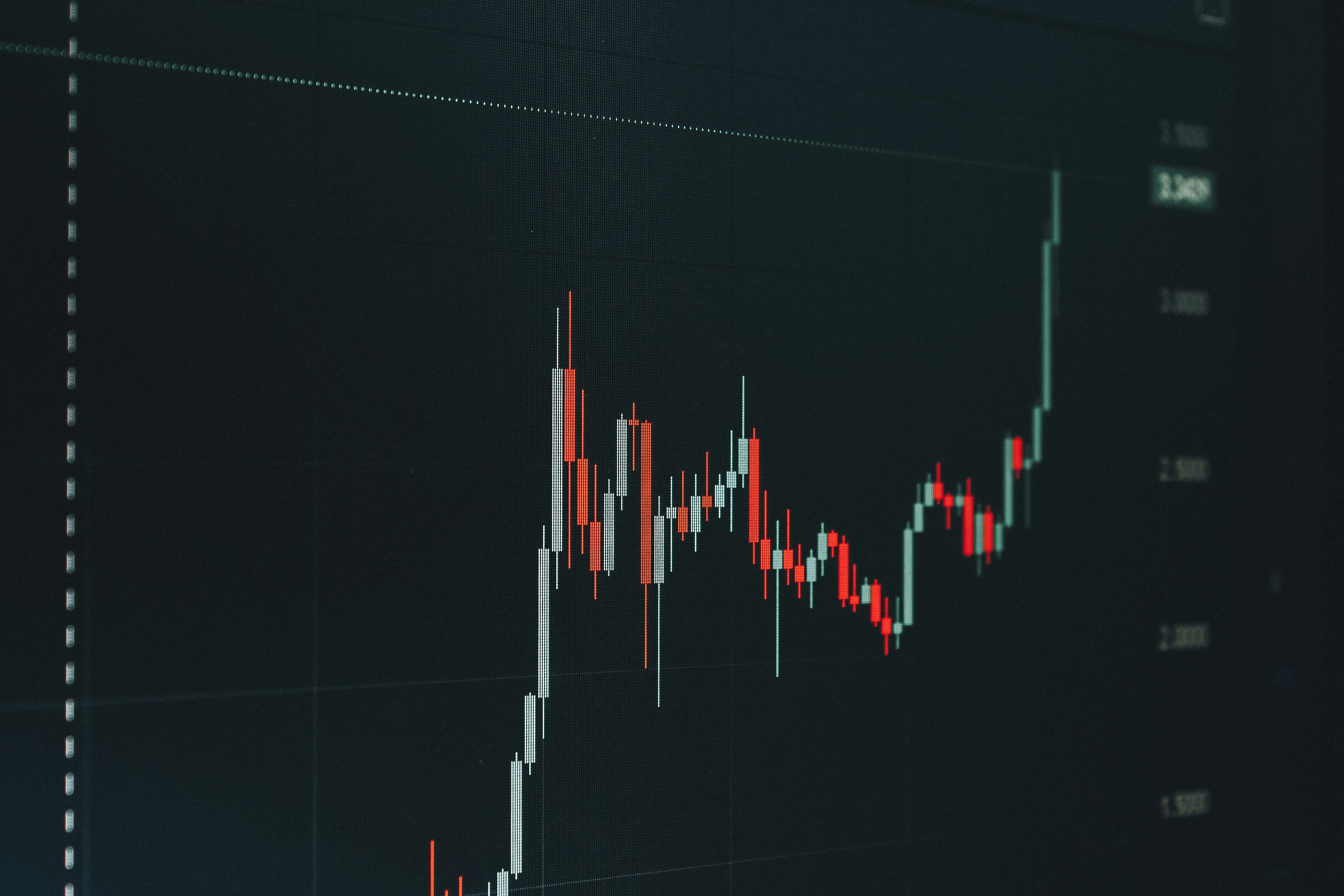
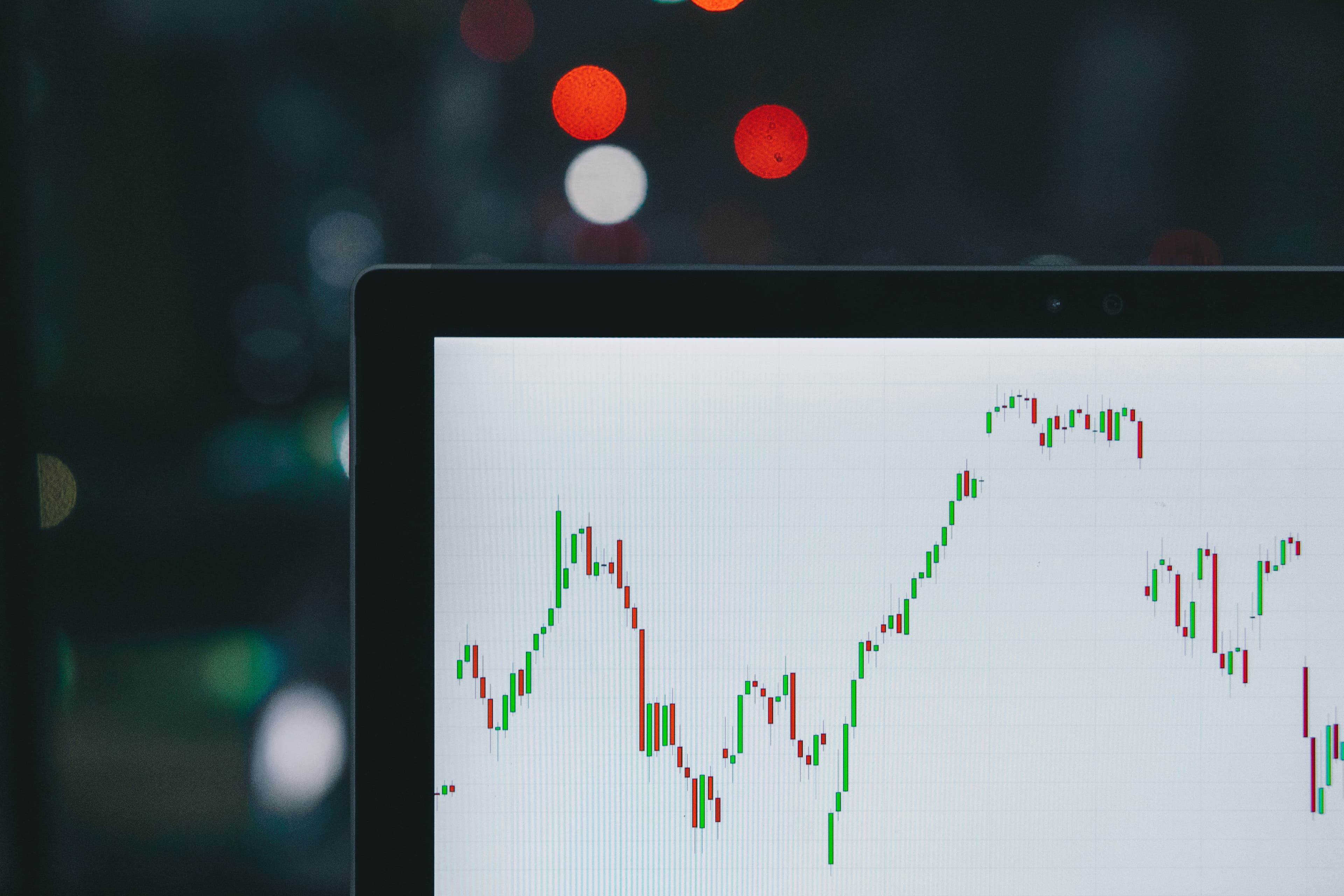
The price history of gold perfectly illustrates the philosophy behind this strategy. For nearly three decades, from 1979 to 2007, gold prices mostly moved sideways, trading in a range between $250 and $750. During this long, flat period, our strategy flagged 14 different buy signals. At the time, these moves might not have seemed very promising. In fact, from 1997 to 2001, prices were trending downward, making it look like a financial disaster could be on the horizon.
But then, things changed dramatically. Instead of collapsing, gold prices took off on a powerful upward trend, increasing nearly sevenfold in value over the next decade. For anyone based on our signals, the payoff for that patience was enormous. This really gets to the heart of : it’s about making smart buys and having the discipline to let them mature. This approach is a stark contrast to the volatility often seen in day-to-day .
This entire cycle highlights the essence of our strategy: invest wisely, give your investments time to grow, and eventually, you’ll see substantial returns. It aligns with the idea of an American "pay day"—it always arrives when there's real, tangible value behind what you own. Understanding in this context means recognizing value and waiting for the to catch up.
Now that we’ve explored the dynamics of this precious metal, it’s time to shift our focus to a different kind of commodity. Unlike gold, which is primarily a store of value, our next subject is more about active trading and speculation, but it still has its own cycles of bulls and bears we can use: Brent oil futures.